126, Mange Ram Park, Rohini, Delhi, India


Hiring a swimming pool contractor is not the same as hiring a builder. The contractor role carries a specific set of responsibilities - legal, financial, and operational - that go well beyond showing up with a crew and laying concrete. Most pool project problems do not come from bad materials or bad design. They come from hiring the wrong contractor, or from not understanding what the contractor is actually supposed to do.
If you are looking for a pool contractor in Delhi or across NCR, this page will help you understand exactly what to look for, what to ask, and what a proper working arrangement looks like - before you sign anything.
What a Swimming Pool Contractor Actually Does?
There is a common misconception that a pool contractor is simply a supervisor who manages labourers on site. In reality, a professional swimming pool contractor is the single point of accountability for the entire project - from the first survey to the day the pool is handed over to you.
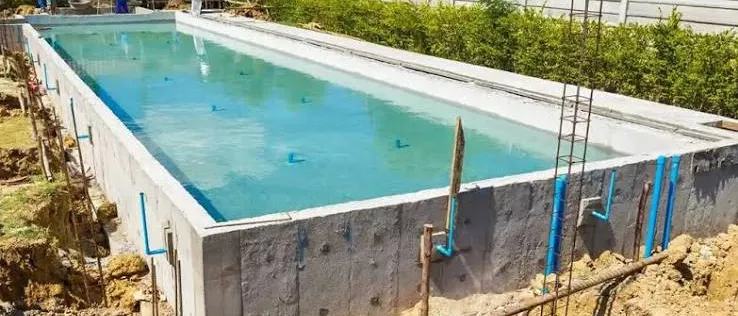
Their responsibilities span four distinct areas:
- Contractual responsibility - The contractor signs a formal agreement that defines scope, timeline, payment terms, and liability. If something goes wrong - a waterproofing failure, a structural defect, an equipment malfunction within the warranty period - the contractor is the party responsible for making it right. Not the waterproofing sub-vendor. Not the pump supplier. The contractor.
- Technical decision-making - A pool contractor decides how the structure is designed for the specific site: soil type, water table level, pool depth, load requirements for elevated pools, hydraulic calculations for the filtration system. These are not decisions a general civil contractor is equipped to make correctly.
- Procurement and vendor management - The contractor sources and coordinates all materials and sub-contractors: civil crew, waterproofing applicators, tile layers, MEP (mechanical, electrical, plumbing) teams, and equipment suppliers. The quality of these vendor relationships directly affects the quality of the finished pool.
- Compliance and documentation - A contractor ensures the project meets applicable codes and delivers a documentation file at handover - as-built drawings, equipment warranties, water test reports, and a maintenance schedule.
When all of this is handled by one accountable party, the client's job is to review progress and make decisions. When it is not, the client ends up managing six different vendors with no single party responsible for the end result.
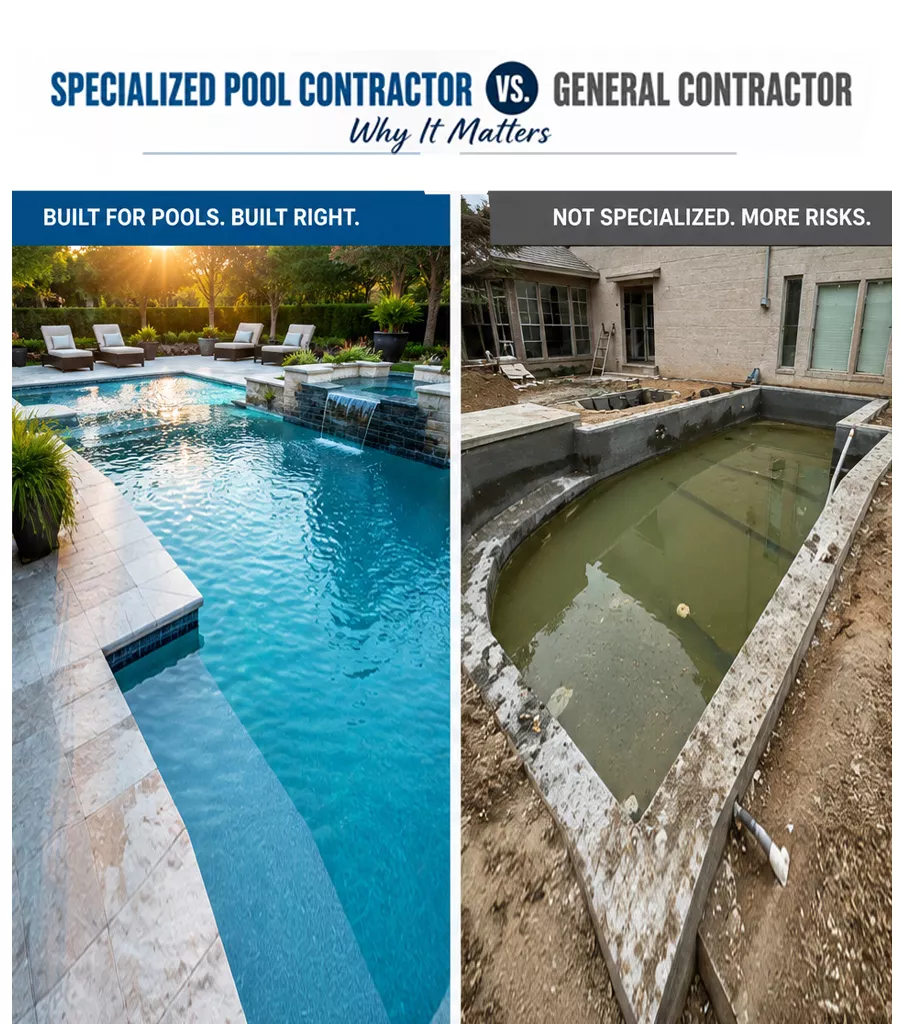
Specialized Pool Contractor vs. General Contractor - Why It Matters
This is one of the most important distinctions in pool project hiring, and it is consistently underestimated.
A general contractor is skilled at coordinating civil construction broadly - buildings, interiors, landscaping. A specialized pool contractor has built their entire practice around pools specifically. The difference shows up in ways that are not visible during the hiring process but become very visible during and after construction.
- Waterproofing specification - Pool waterproofing requires continuous immersion-grade systems. A general contractor will often specify construction waterproofing (used for rooftops and basements) which is not designed for the chemical exposure and hydrostatic pressure that a pool faces daily. A specialized contractor knows the difference between crystalline systems, polyurethane membranes, and when to use each.
- Hydraulic design - Filtration systems must be sized correctly for the pool volume and expected bather load. An undersized pump-filter combination leads to poor water turnover, algae growth, and high chemical consumption. Sizing this correctly requires pool-specific knowledge that general contractors rarely have.
- Finish selection - Pool finishes (plaster, glass mosaic, porcelain tile, fibreglass) each have specific substrate preparation and application requirements. Using the wrong adhesive, skipping a primer coat, or not allowing adequate cure time before filling are mistakes a specialized contractor's team will not make - because they have made them before (on early projects) and learned from them.
- Long-term support - A specialized pool contractor has a business reason to stand behind their work. Pool construction is their reputation. A general contractor who takes a pool project as a side job has no such incentive.
- For commercial swimming pool projects - hotels, apartment complexes, sports facilities - the risk of hiring a general contractor is even higher. The filtration loads, chemical dosing requirements, and operational uptime expectations of a commercial pool are not something an inexperienced team can manage without domain-specific knowledge.
How Pool Contractor Contracts Are Structured in India?
Understanding contract structure protects you before, during, and after the project. Pool contracts in India typically follow one of three models:
- Lump sum (fixed price) contract - A single fixed price for the entire scope as defined in the contract. This is the cleanest arrangement for clients because the financial risk of cost overruns sits with the contractor. It works well when the scope is fully defined before work begins.
- Item rate contract - Payment is based on measured quantities of completed work items - cubic metres of concrete, square metres of waterproofing, running metres of pipework. The unit rates are fixed, but the final cost varies with actual quantities. This model is common for larger commercial pools where exact quantities are difficult to determine before excavation.
- Percentage-based contract - The contractor charges a management fee (typically 10-18%) on top of actual material and labour costs. This model places cost risk with the client and requires a high level of trust and transparency in billing. It is generally not recommended unless you have a long-standing relationship with the contractor and independent quantity surveying in place.
Whichever model is used, the contract must specify: scope of work in detail, payment milestone schedule, material and equipment specifications by brand and model (not vague descriptions), timeline with key milestones, defect liability period, and process for handling scope changes.
A contractor who resists putting detailed specifications in writing is a red flag.
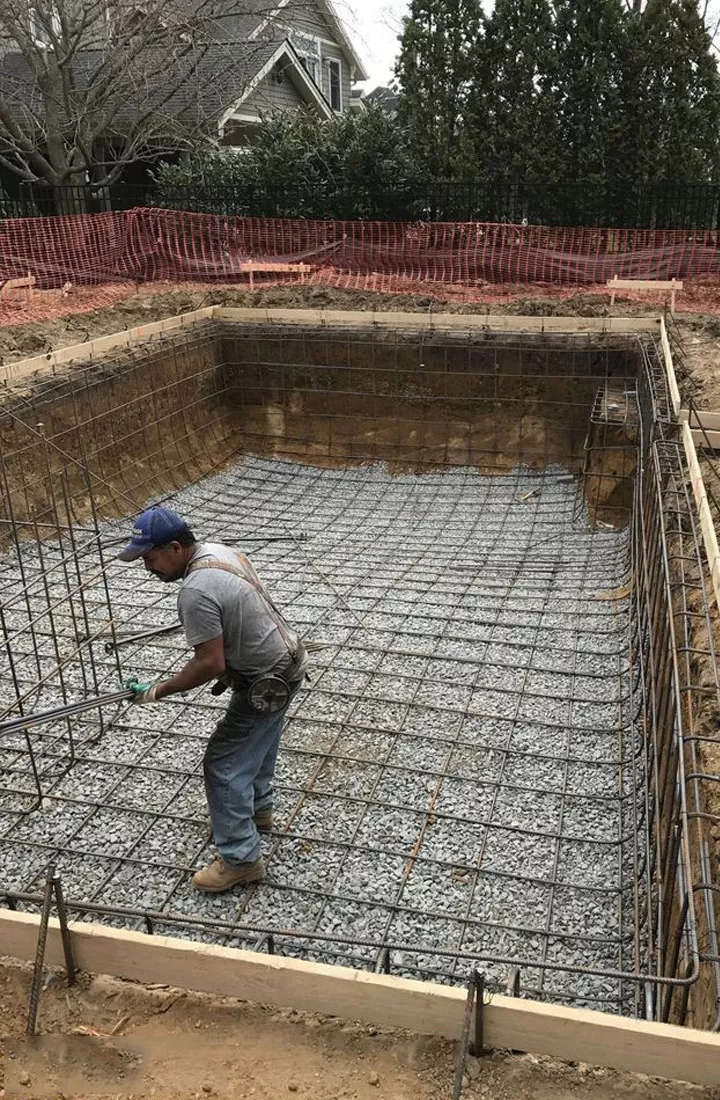
What to Look for When Hiring Pool Contractors?
When you are comparing pool contractors near you, the evaluation should go beyond price. Here is what actually matters:
Completed project portfolio - Ask for a list of completed pools, not renders or proposals. If possible, visit one or two completed sites. Look at the tile alignment, the pool edge finish, and ask the owner about the after-sales experience - did the contractor respond when issues came up post-handover?
Technical depth during discussions - Ask the contractor to explain the waterproofing system they intend to use and why. Ask how they calculate the filtration system size. A contractor who cannot answer these questions fluently is not equipped for the job, regardless of how low their quote is.
Sub-contractor relationships - Find out whether the contractor has their own core civil team or sub-contracts everything. Contractors who sub-contract the entire project (passing your job to another party for a margin) create an accountability gap. The person you signed a contract with has no direct control over the people doing the work.
Insurance and compliance - Contractors working on commercial projects should carry workmen's compensation insurance and third-party liability cover. Ask for certificates before work begins.
References, not testimonials - Ask for phone numbers of past clients. A confident contractor will provide them willingly. Testimonials on a website are marketing. A real conversation with a past client is information.
Red Flags to Watch for Before Signing
These are not theoretical concerns - they come up regularly in pool project hiring:
Significantly Lower Quotes Without Explanation
If one contractor is quoting 30–40% below others for the same scope, something is being left out. It is usually waterproofing quality, equipment grade, or the assumption that they will re-negotiate once work has started and you are committed.
Vague Equipment Specifications
" High-quality pump and filter system" in a contract is meaningless. The contract should name the brand, model, and rated flow capacity. If the contractor refuses to specify, they are reserving the right to install whatever is cheapest.
No Defect Liability Clause
A professional contractor will include a defect liability period (typically 12–24 months for pool construction) during which they are responsible for fixing any defects that emerge in normal use. A contractor who refuses this clause does not believe in the quality of their own work.
Requesting Large Advance Payments
Advance payments of 20–25% of the contract value before mobilisation are normal. Requests for 50% or more upfront are a risk signal.
Verbal Scope Changes
Any contractor who manages changes informally ("don't worry, we'll sort it out at the end") is setting up a dispute. Every change to scope must be documented in writing with an agreed price and timeline impact before the work is done.
Questions to Ask a Pool Contractor Before Hiring
These questions will tell you more than any sales presentation:
Can you walk me through the waterproofing system you will use for this pool, and why?
How do you size the filtration system - what calculations do you use?
Who specifically will be on site supervising daily work? Is that person your employee or a sub-contractor?
Can I speak with two or three clients from projects you completed in the last two years?
What is your defect liability period, and what does it cover?
How do you handle scope changes - what is your process?
What documentation will I receive at handover?
Do you provide an AMC (annual maintenance contract) after handover, and what does it cover?
Have you handled a project similar to mine in size and type? (For commercial projects, ask specifically about the bather load and filtration design.)
What is the realistic timeline for this project, and what are the main risks that could affect it?
A contractor who answers these questions directly and in detail is worth taking seriously. One who deflects, gives vague answers, or gets defensive is showing you something important.
How Contractor Fees Work for Pool Projects?
Understanding how a contractor structures their fee helps you evaluate quotes accurately.
In a lump-sum pool contract, the contractor's margin is built into the total price - you will not see it broken out separately. Typical contractor margins on pool projects in India range from 15–25% on total project cost, depending on project size, complexity, and the contractor's overheads.
For commercial swimming pool projects, where documentation, compliance, and coordination requirements are more intensive, contractor fees at the upper end of this range are normal and justified. A commercial pool contractor managing a hotel project is carrying significantly more risk and responsibility than one building a private residential pool.
When comparing quotes, ask each contractor to provide a BOQ (Bill of Quantities) - a line-item breakdown of materials, labour, and equipment costs. This makes quotes genuinely comparable. Without a BOQ, you are comparing totals that may cover very different scopes.
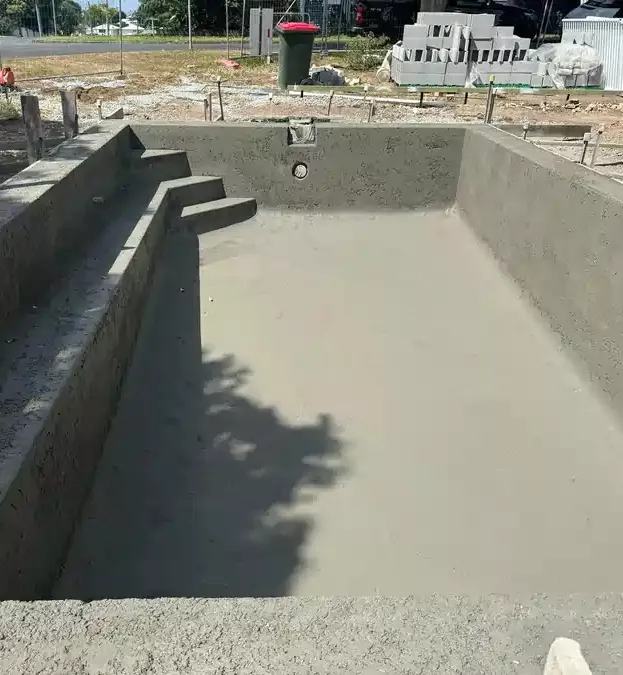
What a Proper Handover Looks Like?
The handover is where many contractors fall short - and where you find out whether you hired the right one.
A proper handover from a professional pool contractor includes:
- Equipment documentation - manuals, warranty cards, and service contact details for every piece of installed equipment: pumps, filters, chemical dosing units, lighting systems, heating systems if applicable.
- Water test report - a documented water chemistry reading confirming that pH, free chlorine, alkalinity, TDS, and turbidity are within acceptable ranges at the time of handover.
- Maintenance schedule - a written guide covering daily, weekly, monthly, and annual maintenance tasks, with recommended chemical dosing quantities based on the pool's volume.
- Operator training - for commercial pools, a formal training session for the facility management team covering equipment operation, chemical handling, and emergency procedures.
- Defect liability confirmation - written confirmation of the warranty period start date and the process for logging and resolving defects.
If a contractor hands you keys and walks away without this documentation, you are on your own from day one.
How DS Water Technology Handles Every Pool Contract?
At DS Water Technology, we have structured our entire process around the concerns outlined above - because we see the results of poorly managed pool projects regularly when clients come to us for renovation or remediation work.
We operate on fixed-price lump-sum contracts with fully specified BOQs. Every material and piece of equipment is named in the contract before work begins. Our core civil team is employed directly - we do not sub-contract the entire scope. We have a dedicated site engineer on every project during critical phases. And we provide a complete documentation file at handover as standard, not on request.
We work with residential clients building private pools, and with commercial clients - hotel groups, residential developers, sports academies, and healthcare facilities - who need a swimming pool contractor with the documentation standards and technical depth that commercial projects demand.
If you are looking for top pool contractors near you who will give you a straight answer on timeline, cost, and scope - and then deliver on it - DS Water Technology is worth talking to.
FAQs Related to Pool Contracting
1. What is the difference between a swimming pool contractor and a swimming pool builder?
In practice, the terms are often used interchangeably. However, a contractor specifically refers to the party who holds the contract - the entity legally and financially responsible for delivering the project against an agreed scope and price. A builder may refer more loosely to anyone involved in construction. When you hire a pool contractor, you are establishing a formal contractual relationship with defined obligations, payment terms, and liability. Always ensure you are dealing with a contractor - not an informal arrangement where accountability is unclear.
2. How do I find a reliable swimming pool contractor near me in Delhi?
Start with portfolio verification - ask for completed project addresses and visit at least one site. Check how long the contractor has been operating specifically in pool construction (not general construction). Ask for references and call them. Avoid contractors who cannot or will not show you completed work. Proximity matters less than track record - a contractor based in a different part of Delhi who has built 50 pools is a better choice than a local contractor doing their third pool.
3. What is a reasonable advance payment for a pool contractor?
A mobilisation advance of 20–25% of the contract value is standard in the industry. This covers the contractor's initial material procurement and site setup costs. Advances above 40% are unusual and carry financial risk for the client. Reputable contractors structure payments as milestones tied to completed and verified work stages - not as time-based instalments.
4. How long should the defect liability period be for pool construction?
For residential pools, a defect liability period of 12 months is the minimum acceptable standard. For commercial pools - hotels, apartment complexes, sports facilities - 24 months is more appropriate given the higher operational demands. The defect liability period should be explicitly stated in the contract and should cover structural defects, waterproofing failures, and equipment defects attributable to installation errors (as opposed to wear and tear from normal use).
5. Can I hire a general contractor for a swimming pool project?
Technically, yes. Practically, it carries significant risk for the reasons covered in the specialized vs. general contractor section above. Pool construction involves domain-specific knowledge in waterproofing, hydraulic design, and pool-grade finishes that general contractors rarely possess. If your general contractor is proposing to manage a pool project, ask them directly: how many pools have they built, what waterproofing system will they specify and why, and how will they size the filtration system. Their answers will tell you whether they are equipped for the job.
6. What should a swimming pool contractor's BOQ include?
A complete Bill of Quantities for a pool project should cover: excavation and disposal, concrete grades and quantities for the structural shell, reinforcement steel, waterproofing system (membrane type, number of coats, total area), tile specification (brand, grade, size, adhesive type), coping and pool deck materials, all pipework (sizes, material, lengths), equipment list (pump brand/model/flow rate, filter brand/model/rated capacity, chemical dosing system, lighting), and civil finishing works. If a contractor's quote is a single-line total without a BOQ, ask for one before proceeding.
7. What does a commercial pool contractor do differently from a residential one?
Commercial swimming pool contractors work to a higher level of documentation and compliance. They produce shop drawings for approval before construction, maintain inspection and test plans (ITPs) during work, and deliver as-built drawings and operations manuals at handover. Commercial pools also require larger and more complex filtration systems (often with multiple filter vessels, automatic backwash controls, and chemical dosing automation), and must comply with more stringent water quality standards and safety regulations. The contractor's fee structure and project timeline also reflect this additional scope.
8. What warranty should I expect on a newly built pool?
A professional pool contractor should provide: a structural warranty of at least 5 years (covering the RCC shell for defects in workmanship), a waterproofing warranty of 3–5 years (depending on the system used - manufacturer warranties for membrane systems are typically 5–10 years when applied by a certified applicator), and equipment warranties as per manufacturer terms (typically 1–2 years for pumps and filters). All warranties should be in writing and should clearly state what is covered, what is excluded, and how claims are processed.
9. How do I handle disputes with a pool contractor mid-project?
The best way to handle disputes is to prevent them through a well-drafted contract. If a dispute does arise, the first step is to refer back to the contract documents - scope of work, BOQ, and agreed specifications. Disputes over quality should be documented with photographs and written notices before any rectification work is done. If the contractor is unresponsive, a formal written notice of breach (sent by registered post or email with delivery confirmation) creates a paper trail. For commercial projects, most contracts include a dispute resolution clause - typically negotiation first, followed by arbitration if unresolved.
10. Do pool contractors in Delhi handle indoor swimming pool projects?
Yes, though indoor swimming pool contractors need to coordinate additional scope that outdoor pools do not require: the building enclosure, HVAC (to manage humidity and condensation), artificial lighting design, and sometimes acoustic treatment. The HVAC component of an indoor pool is not optional - a pool inside a building without proper air handling will cause significant moisture damage to the structure within a few years. When evaluating contractors for an indoor pool, specifically ask about their experience with pool hall HVAC design and whether they coordinate this in-house or bring in a specialist HVAC consultant.
Conclusion
Hiring the right swimming pool contractor comes down to one thing: accountability. You need a single party who is responsible for what gets built, how it gets built, and what happens if something goes wrong after handover.
The way to find that party is not to pick the lowest quote. It is to ask the right questions, read the contract carefully, verify the portfolio, and choose someone whose process - from BOQ to handover documentation - reflects a contractor who has done this before and intends to do it again.
As DS Water Technology - swimming pool contractors in Delhi - we work with clients who have been through a bad experience with an unqualified contractor, and with clients who are hiring for the first time and want to do it right. Either way, the conversation starts the same: a site assessment, a detailed proposal, and a clear scope before any commitment is made.
If you are looking for pool contractors in Delhi NCR - residential, commercial, or indoor - contact DS Water Technology for a no-obligation consultation.
Contact Details
- Address:-
Dharmendra Singh (Proprietor)
126, Mange Ram Park, Rohini, New Delhi - 110086, Delhi, India - Mobile Number:
+91 9667879752 - Email Address:
sales.dswatertech@gmail.com